



You expect your jet ski to start quickly and respond the moment you hit the throttle. When it cranks longer than usual or hesitates when you accelerate, ignition performance often sits at the center of the issue. Spark plugs control the combustion process, but when they wear down, power and efficiency drop as well.
Following the proper change intervals for your jet ski spark plugs keeps performance under control. Replacing them at the right time prevents misfires, protects engine components, and delivers a smoother ride.
Spark Plug Timing in Marine Engines
Jet ski engines run at sustained high RPMs, endure heavy vibrations, and face exposure to moisture on every outing. Those factors stress ignition components far more than standard automotive use.
Spark plugs create an electrical arc that ignites the air-fuel mixture. When electrodes wear down, the spark weakens. Weak sparks lead to incomplete combustion, hesitation, and reduced power.
Marine engines don’t tolerate inconsistency well. Even minor ignition issues can feel dramatic when you’re accelerating across open water. That’s why timing your plug changes correctly makes such a difference.
Manufacturer Recommendations vs. Real-World Use
Most manufacturers recommend replacing jet ski spark plugs every 50 to 100 hours of operation. That range serves as a general guideline. Your riding style, fuel quality, and maintenance habits all influence actual plug life.
If you ride aggressively, you should lean toward the lower end of that range. Frequent wide-open throttle operation increases combustion temperature and accelerates electrode wear. Towing riders or operating in choppy water also pushes engines harder.
Casual recreational riders may approach the 100-hour mark safely, but even then, inspection remains critical. Hours alone don’t tell the whole story.
Key Warning Signs You Shouldn’t Ignore
Your jet ski usually signals trouble before performance drops dramatically. Pay attention if you notice:
- Hard starting, especially after the engine warms up
- Rough idle or unexpected stalling
- Sluggish acceleration
- Engine misfires under load
- Increased fuel consumption
When these symptoms appear, inspect your plugs. Waiting often compounds the problem. Early replacement prevents ignition coil strain and excessive carbon buildup.
How Riding Conditions Affect Spark Plug Life

Saltwater vs. Freshwater
Saltwater environments accelerate corrosion. Even with proper flushing, salt exposure shortens their lifespan. If you ride in saltwater regularly, reduce your change interval.
Freshwater riding places less chemical stress on ignition components. However, high humidity still impacts performance over time.
Performance Riding
High-speed riding and repeated rapid acceleration generate more heat inside the combustion chamber. Those higher temperatures increase electrode erosion and speed up wear. Performance-focused riders should inspect plugs every 25 to 40 hours.
Seasonal Storage
If your jet ski sits unused for months, plugs can foul or corrode during storage. Replace them before peak season rather than waiting for symptoms to appear.
The Importance of Spark Plug Inspection
Scheduled replacement helps, but inspection provides deeper insight. Pulling your plugs reveals how your engine runs internally.
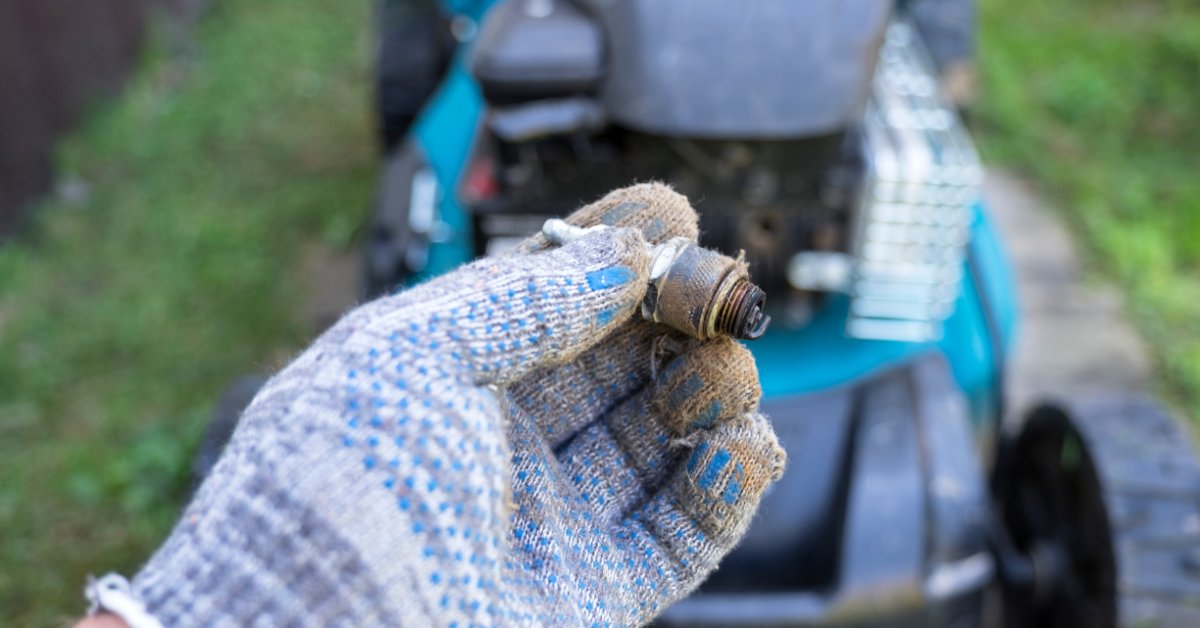
A healthy plug typically shows light tan or gray deposits. Black, sooty buildup suggests a rich fuel mixture. Oily residue may point to internal wear, and white blistering can indicate overheating.
Reading spark plugs helps you correct fueling or cooling issues before they escalate. Experienced riders treat plug inspection as a diagnostic tool, not just a maintenance chore.
Heat Range and Application-Specific Design
Jet ski spark plugs are not universal. Heat range plays a critical role in proper operation.
Always confirm that you install plugs designed for your specific engine model. Application-specific engineering ensures correct combustion chamber temperatures and ignition timing.
When choosing your replacement jet ski spark plugs, focus on proper heat range and durable electrode materials. Strong ignition supports efficient fuel burn and stable throttle response under demanding conditions.
How Advanced Spark Plug Design Improves Performance
Modern spark plug engineering has evolved significantly. Electrode configuration now directly impacts flame propagation and combustion efficiency. This is because advanced designs promote more open flame kernel development.
That improvement encourages more complete combustion, leading to smoother acceleration, improved fuel efficiency, and reduced carbon buildup. In high-performance marine engines, even small ignition improvements translate into noticeable gains on the water.
Build a Maintenance Schedule That Works
Many riders wait for trouble before they act, which increases long-term costs. Instead, track your engine hours consistently. Keep a simple maintenance log and inspect plugs at regular intervals, especially during heavy riding periods.
Why Delaying Replacement Creates Bigger Problems
Worn spark plugs don’t just reduce performance; they create a chain reaction inside your engine.
Misfires force ignition coils to work harder. Incomplete combustion increases carbon deposits on pistons and valves. Fuel economy declines as combustion efficiency drops.
Over time, these small issues evolve into expensive repairs. Regular spark plug replacement costs far less than internal engine service. Preventive maintenance always wins.
Seasonal Strategy for Maximum Reliability
Pre-season preparation sets the tone for your riding year. Replacing spark plugs before heavy summer use ensures reliable starts and steady acceleration.
During mid-season, inspect plugs if their performance changes. After the season ends, remove and evaluate them again before winter storage.
This routine gives you a clear picture of engine health. It also allows you to correct small issues before they disrupt next year’s riding plans.
Choose Quality for Long-Term Confidence

Spark plugs may look simple, but design differences matter. Electrode configuration, material durability, and combustion efficiency all influence real-world performance.
E3 Spark Plugs feature a DiamondFire electrode design that promotes efficient ignition and cleaner combustion. Many of our customers appreciate how advanced ignition technology supports consistent throttle response under demanding conditions.
If you want dependable starts and strong performance on every ride, consider evaluating your current setup and upgrading where needed. The right spark plug supports your engine every time you hit the throttle.
Protect Your Jet Ski
Jet skis demand precision, and spark plugs are at the center of that. Ignoring change intervals invites hesitation, misfires, and long-term wear. Staying proactive protects both performance and reliability.
By following this guide to jet ski spark plug change intervals, you eliminate guesswork and reduce unexpected downtime. Track your hours, inspect regularly, and replace plugs before problems escalate. When you treat spark plug maintenance as a priority, you gain confidence every time you launch.