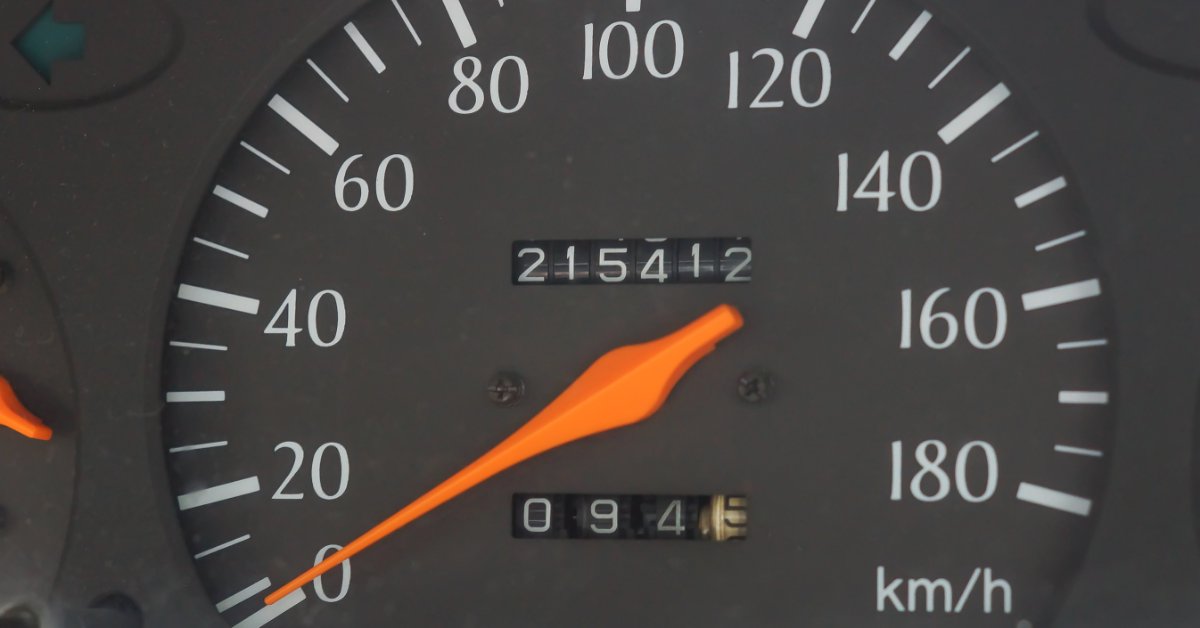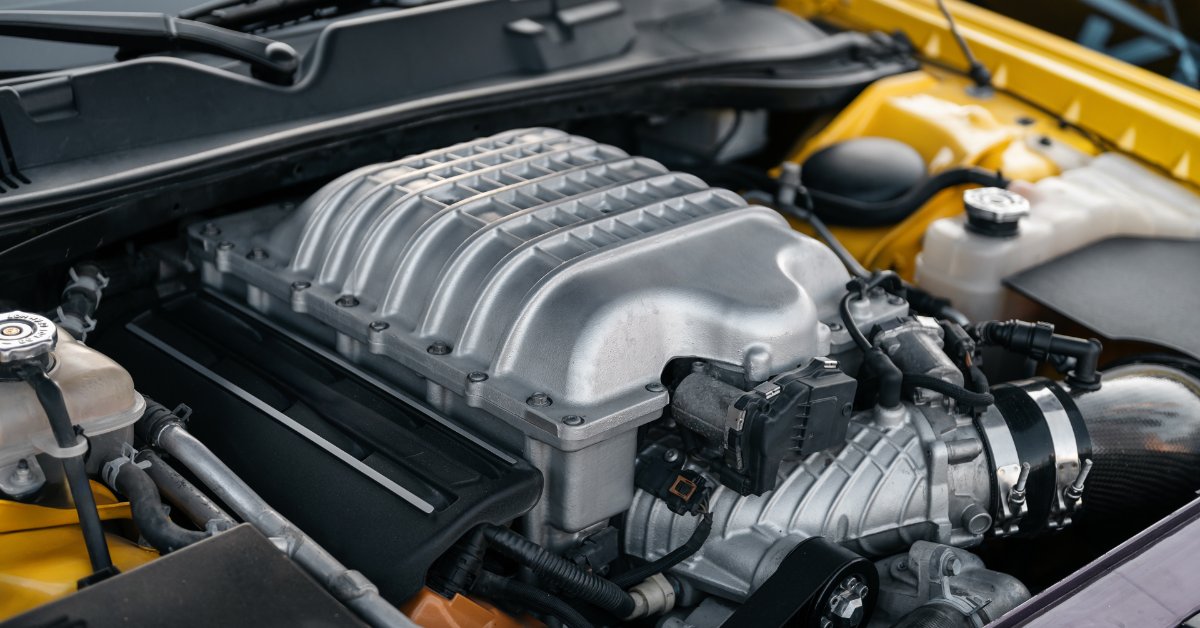




Your car may have crossed 100,000 miles without giving you a reason to retire it, but age changes what you should watch during routine maintenance. When you select spark plugs for a high-mileage engine, you need to consider the vehicle’s specified plug alongside what its current condition tells you. The right replacement supports dependable ignition without trying to compensate for mechanical problems elsewhere in the engine. A careful choice can help you keep an older car running consistently as the miles continue to climb.
Follow Factory Specifications
Mileage alone doesn’t mean your engine suddenly needs a different spark plug specification. The thread size, reach, heat range, and other plug characteristics must suit the engine. Installing a plug simply because it seems better for an older vehicle may create new problems instead of solving existing ones.
You’ll also want to confirm the recommended gap for your application rather than assuming every new plug arrives ready to install. The gap affects the voltage needed for the spark to cross between the electrodes. As electrode wear increases that distance over time, the ignition system may have to work harder to produce a reliable spark.
Keep Heat Range Correct
You generally shouldn’t switch heat ranges simply because the odometer has climbed. The plug must still transfer heat at a rate appropriate for that engine, so use the specified heat range unless the vehicle manufacturer or a qualified technician recommends otherwise.
A plug that runs outside its intended temperature range may develop deposits or encounter excessive heat. Instead of treating heat range as a mileage upgrade, make it an application requirement.
Read the Old Plugs

Used spark plugs give you a useful look at what has happened inside each cylinder. You may notice worn electrodes or deposits that deserve further investigation. Looking at the removed plugs before throwing them away gives you context that mileage alone can’t provide.
Use that inspection to identify concerns when choosing spark plugs for high-mileage engines. An unusual plug condition may point toward an engine issue that needs separate diagnosis. Replacing the plug may restore a fresh firing surface, but it won’t repair the source of recurring contamination.
Watch for Oil Fouling
As an engine accumulates wear, oil may reach the combustion chamber through worn or damaged components. Once oil coats a spark plug, deposits can interfere with its ability to fire consistently. A fresh plug may improve operation temporarily, but recurring fouling calls for diagnosis of the underlying engine condition.
Pay attention to what you find during removal. Certain plug conditions warrant a closer look before you install the replacement set, such as:
- Check for oily deposits around the firing end
- Notice heavy deposits that return after replacement
- Compare one unusually dirty plug with the others
- Watch for misfires that continue with new plugs
- Ask a technician to investigate recurring fouling
Choose the Correct Material
You may see copper-core, platinum, or iridium options when shopping, but the application should guide your decision. Modern engines may specify a particular electrode material to meet their ignition and service requirements. Follow the manufacturer’s recommendation rather than choosing solely by price or advertised service life.
Consider Service Intervals
You should schedule your replacement according to the manufacturer's maintenance recommendations, not based on assumptions about older engines. Electrode wear gradually changes plug performance, and rounded electrodes can make reliable sparking harder. If you don’t know when the plugs were last replaced, reviewing maintenance records can help you establish where the vehicle stands. Once you know that history, you can plan future service with greater confidence.
Check Ignition Components
New spark plugs rely on the rest of the ignition system to supply the voltage needed for combustion. If your older vehicle still misfires after plug replacement, don’t assume that the new plugs caused the problem; aging coils or damaged connections may require diagnosis.
You can save time by looking at the ignition system while the plugs are accessible. Check components according to the service procedures for your vehicle. If you spot damage or persistent performance problems, professional testing can help you avoid replacing parts based on guesswork.
Avoid Mileage-Based Upgrades
A high odometer reading doesn’t automatically justify a hotter plug or altered gap. Your engine’s original specification is the safest reference unless modifications or documented operating conditions call for another setup.
Older cars sometimes tempt owners into experimenting because they no longer run exactly as they did years ago. However, a different spark plug shouldn’t serve as a shortcut around compression loss or another mechanical concern. Diagnose the cause first, then choose the plug that properly matches the application.
Install Plugs Carefully

Correct installation becomes especially important when you’re servicing an engine you want to keep for many more miles. Improper installation can create operating problems, so follow the vehicle or plug manufacturer’s tightening procedure and take extra care when threading each plug into the cylinder head.
You should also use the correct tools when checking a plug that requires a gap adjustment. Avoid placing force against a delicate center electrode while changing the gap. Manufacturer guidance recommends adjusting according to the vehicle-specific specification unless another value has been provided for the application.
Know When To Diagnose
Sometimes a plug inspection tells you that shopping for replacements shouldn’t be your only next step. Persistent fouling or a continuing misfire deserves investigation, particularly when the same problem returns soon after service. Your goal is to find out why the plug isn’t operating normally.
These situations give you good reasons to consider further diagnosis:
- One cylinder repeatedly fouls its plug
- New plugs don’t correct an ongoing misfire
- Electrodes show unusual or rapid wear
- Plug damage appears after a short interval
- The engine continues running poorly after service
Keep Records Going Forward
A simple maintenance record becomes increasingly useful as your vehicle accumulates miles. Write down the plug part number and vehicle mileage when you complete the service. That information gives you a reliable reference the next time you inspect or replace the plugs.
You can also note anything unusual you found during removal. At the next service, those notes make it easier to recognize a developing pattern rather than relying on memory. Good records help you make decisions based on your vehicle’s actual history.
You don’t need to reinvent the ignition system just because the odometer has six digits; you need the correct engine plugs for your car. E3 Spark Plugs offers application-specific spark plugs for drivers maintaining vehicles across a wide range of mileages. Check the correct fit for your vehicle, then give your next service a solid starting point.