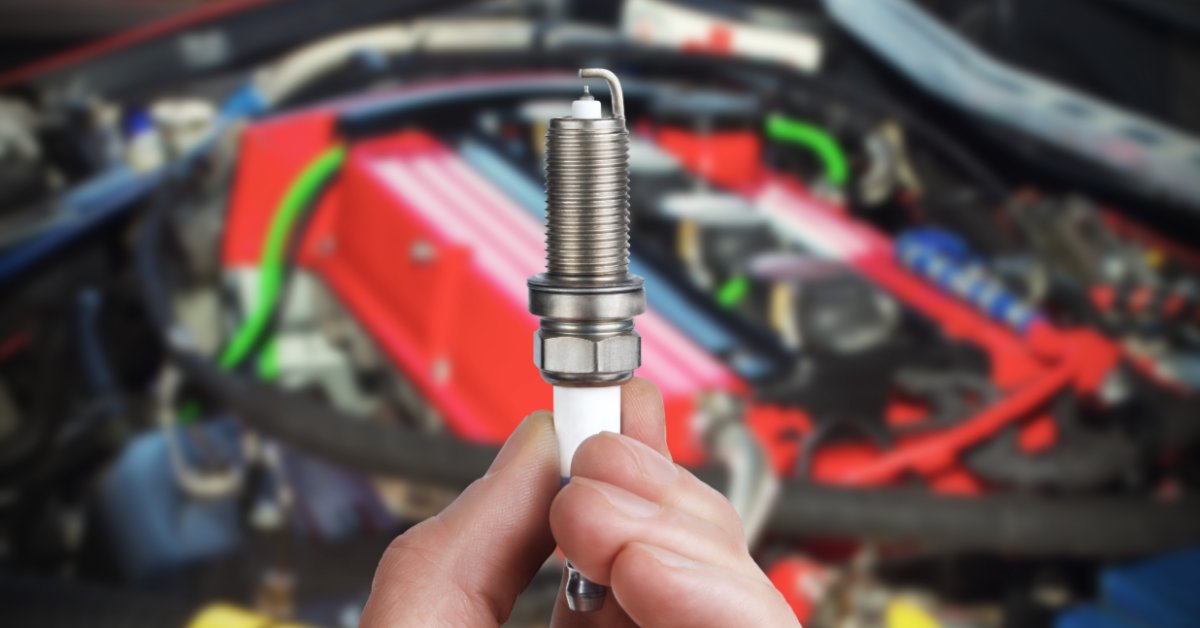




When something starts to feel off with an ATV, many riders assume the worst and jump straight to expensive repairs. The reality is that most engines show warning signs long before a failure happens. One of the clearest places those signs appear is on the spark plug. By learning how to read it, you can see what’s happening inside the combustion chamber and address issues early, before they turn into bigger problems.
This guide breaks down how to read the color and condition of your ATV spark plugs in a practical way you can use the next time you’re in the garage, helping you diagnose issues with confidence.
What Spark Plug Color Tells Us
A spark plug reflects what’s happening inside the engine during combustion. Fuel mixture, oil control, heat range, and riding habits all affect how the plug appears.
When combustion runs clean and balanced, the plug shows it. When something drifts out of spec, the plug changes color, texture, or deposits. These changes happen long before issues become obvious.
When To Check a Spark Plug for Accurate Clues

Checking a plug at the wrong moment can give misleading results. You’ll get the most useful information after normal riding conditions. Avoid reading a plug right after extended idling or a quick startup. Instead, ride the ATV as you normally would, let it cool briefly, then remove the plug. This approach gives you a correct snapshot of performance.
What a Healthy Spark Plug Should Look Like
A properly running engine leaves behind specific characteristics. You’re looking for a light tan or grayish color on the insulator tip with minimal deposits. The electrode edges should remain sharp, not rounded or eroded. There shouldn’t be oil residue or thick carbon buildup.
This appearance tells you the air-fuel mixture, ignition timing, and heat range all work together as they should.
Signs of Lean Conditions
A lean condition means the engine gets too much air and not enough fuel. This issue often shows up as a white or very light-colored insulator.
Lean running increases combustion temperature. Over time, excess heat can damage valves, pistons, and the plug itself. Riders often notice hesitation, surging, or overheating alongside these visual clues.
If your plug looks chalky white or blistered, it’s time to investigate intake leaks or jetting before damage sets in.
Rich Conditions and Excess Fuel
Rich conditions push too much fuel into the combustion chamber. The spark plug responds with dark, sooty deposits.
Black carbon buildup often points to incomplete combustion, which can develop when the fuel mixture isn’t properly balanced, or airflow is restricted. Over time, this can lead to sluggish performance, frequent plug fouling, and reduced power when the engine is under load.
Oil Fouling and What It Means for Engine Health
Oil on a spark plug always deserves attention. Wet, oily deposits usually signal oil entering the combustion chamber.
Common causes include worn piston rings, valve guide seals, or excessive crankcase pressure. While the ATV may still run, oil fouling eventually leads to misfires and hard starts.
Catching oil-related issues early saves you from avoidable mechanical repairs down the road.
Heat Range Problems
Each spark plug is designed to run within a defined temperature window. When temperatures exceed that range, physical damage such as blistering, cracked porcelain, or electrode wear can appear. When temperatures stay below the ideal range, carbon deposits tend to build up because the plug can’t effectively clean itself.
Driving Style and Spark Plug Condition

How you ride directly affects spark plug condition. High RPM riding increases combustion heat, while slower trail riding and extended idling make carbon buildup more likely. Short trips can also prevent the plug from reaching temperatures needed to burn off deposits.
When you account for your driving habits, it’s easier to interpret what the spark plug is showing and determine whether what you’re seeing is normal or needs adjustment.
A Handy Diagnostic Tool
The ATV spark plug is one of the most valuable diagnostic tools you own. It offers insight without tearing into the engine or relying on electronic scanners.
Plug inspection pairs well with compression checks, air filter inspection, and fuel system evaluation. Together, they form a complete picture of engine health and performance.
Common Spark Plug Conditions and What They Point To
Use this quick reference list when inspecting a plug. It helps connect visual clues to likely causes without overthinking the process:
- Light tan or gray insulator: Normal combustion and balanced operation
- White or blistered insulator: Lean mixture or excessive heat
- Dry black soot: Rich fuel mixture or restricted airflow
- Wet oily deposits: Oil entering the combustion chamber
- Rounded or eroded electrodes: Excessive wear or incorrect heat range
This list doesn’t replace full diagnostics, but it gives you a reliable starting point.
Why Consistent Checks Prevent Severe Repairs
Spark plug issues usually develop gradually. As performance declines, fuel efficiency can drop, and starting may become less consistent. These changes often go unnoticed until the problem worsens.
Regular inspections help find issues early, when fixes are simpler and more affordable. Addressing problems at the spark plug level costs far less than repairing damaged pistons, valves, or ignition components later.
The Right Plug Makes Reading Easier
At E3 Spark Plugs, we design our plugs to promote more efficient ignition and a more complete burn. That cleaner combustion often results in clearer burn patterns, giving riders a more accurate picture of what’s happening inside the engine. This level of consistency helps when dialing in performance or evaluating engine health over time.
If you want smoother starts, consistent firing, and spark plugs that reflect real engine conditions, choosing components built for the application makes a noticeable difference.
Final Thoughts
Learning how to interpret spark plug color and condition gives you direct insight into your engine’s health. Once you understand the signs, you’ll tune smarter and ride with confidence. A quick plug check can tell you more than hours of troubleshooting if you know what you’re looking for.
Make plug reading part of your regular maintenance routine, and your ATV will thank you with better performance and longer engine life.