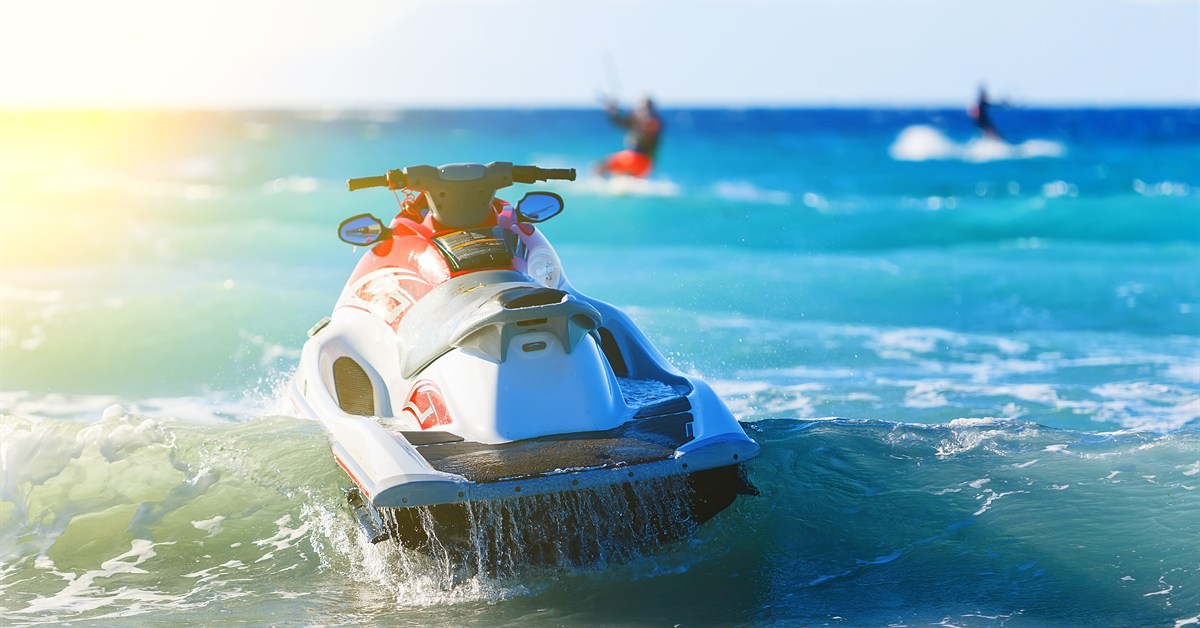




A day on the water can take an unexpected turn when your personal watercraft suddenly refuses to start after a rough ride or accidental rollover. Water entering the engine creates a serious mechanical risk, especially when you don't recognize the problem right away. Knowing how water can affect your PWC's engine helps you recognize the risk of hydrolock and avoid costly damage. With a better understanding of these risks, you can protect your vessel and spend less time dealing with unexpected repairs.
Why Water Ingestion Threatens Your Engine

Your personal watercraft operates in an environment where water constantly surrounds the hull, making it important to protect the engine from unwanted moisture. During normal operation, your engine draws in air to support combustion. However, if water enters the intake system, it can reach the cylinders and disrupt normal engine operation.
Unlike the air-fuel mixture your engine compresses during normal operation, liquid water resists compression. If too much water enters a cylinder, it can prevent the piston from completing its upward movement. Attempting to force the engine to turn over under these conditions can damage internal components and result in costly repairs.
What Happens During Hydrolock
Hydrolock occurs when liquid prevents a piston from completing its normal compression stroke. If you attempt to start the engine, the starter may struggle to turn the crankshaft against that resistance. Under sufficient force, internal components such as connecting rods can bend or suffer additional damage. Depending on the circumstances, the engine might stop abruptly or refuse to turn over altogether.
Recognize Possible Water Intrusion
You won't necessarily see water entering your PWC's engine, particularly after an unexpected incident on the water. However, certain changes deserve attention because they may indicate something more serious than a routine starting problem. Recognizing these warning signs can help you avoid actions that worsen an existing mechanical issue.
Watch for the following symptoms or circumstances:
- The engine stops unexpectedly after the watercraft overturns
- The starter struggles to rotate the engine normally
- You notice unusual resistance when attempting to start the engine
- The engine fails to restart after substantial water exposure
- You discover excessive water inside the engine compartment
Why Symptoms Need Careful Interpretation
These warning signs don't automatically confirm hydrolock, since electrical problems or mechanical failures can produce similar behavior. Water inside the hull also doesn't necessarily mean moisture has reached the cylinders. Nevertheless, a recent submersion or rollover changes the situation because it introduces a credible risk of internal water exposure. If you suspect water entered the engine, stop attempting to restart it until you've followed the appropriate manufacturer guidance.
Spark Plugs and Water Exposure

Your PWC spark plugs ignite the compressed air-fuel mixture inside the cylinders, making them essential to normal engine operation. During a water intrusion event, moisture may reach the electrodes and interfere with ignition. A wet spark plug may struggle to produce an effective spark, but ignition failure isn't the same as hydrolock.
If water enters your PWC's engine, replacing the spark plugs won't prevent hydrolock because the trapped liquid still needs to be addressed. Although a technician may remove the plugs during an approved recovery procedure, the exact process depends on the watercraft's construction. Some manufacturers specifically prohibit cranking a flooded engine, so you shouldn't attempt that procedure without model-specific instructions.
What Spark Plug Inspection Reveals
After suspected flooding, a technician may examine the spark plugs for visible moisture or unusual deposits. A wet electrode can support concerns about water exposure, although it doesn't establish the full extent of internal damage. Meanwhile, a dry plug doesn't rule out moisture elsewhere in the intake system or engine. Proper diagnosis considers the circumstances of the incident alongside the engine's mechanical condition rather than relying on spark plug appearance alone.
Reduce Water Ingestion Risks
You can't eliminate every possibility of water entering your watercraft, especially when conditions change unexpectedly. Still, you can reduce exposure by maintaining the equipment according to its service requirements. Paying attention to the hull and following proper operating practices helps protect vulnerable engine components.
Consider these preventive habits during routine ownership:
- Inspect accessible engine compartment seals for visible damage
- Check that drain plugs are properly installed before launching
- Follow the manufacturer's instructions for flushing the cooling system
- Avoid operating in conditions that exceed your riding experience
- Address unusual water accumulation inside the hull promptly
Why Flushing Procedures Matter
Flushing helps remove contaminants from your PWC's cooling system when the manufacturer recommends the procedure. However, the proper sequence for connecting the water supply and running the engine varies by model. Following the wrong procedure could allow water to enter parts of the engine that should remain dry. Always consult your owner's manual for instructions specific to your watercraft.
Respond After Water Enters
If your PWC overturns or becomes partially submerged, your immediate response should focus on personal safety and preventing further engine damage. Move to a safe location and follow the manufacturer's instructions for recovering the watercraft. Some models require a particular direction when turning the hull upright because incorrect handling may increase the chance of water entering the engine.
Once you're safely ashore, avoid repeated starting attempts when internal flooding remains a possibility. Arrange professional service promptly, since moisture left inside the engine can promote corrosion. A qualified technician can assess the situation and determine which recovery procedures apply to your particular model.
Although your engine might start again after the incident, that doesn't necessarily mean it escaped damage. Some water may still be trapped inside the engine, and you might not notice signs of internal damage right away. A thorough inspection can help you identify any remaining problems and determine when your PWC is ready to return to the water.
Protecting your watercraft means recognizing when a routine maintenance concern requires professional attention. By following appropriate recovery procedures and maintaining your ignition system, you'll be better prepared to address unexpected engine trouble. When it's time for scheduled spark plug maintenance, E3 Spark Plugs offers application-specific options for personal watercraft. Explore our selection today and prepare your engine for future adventures.