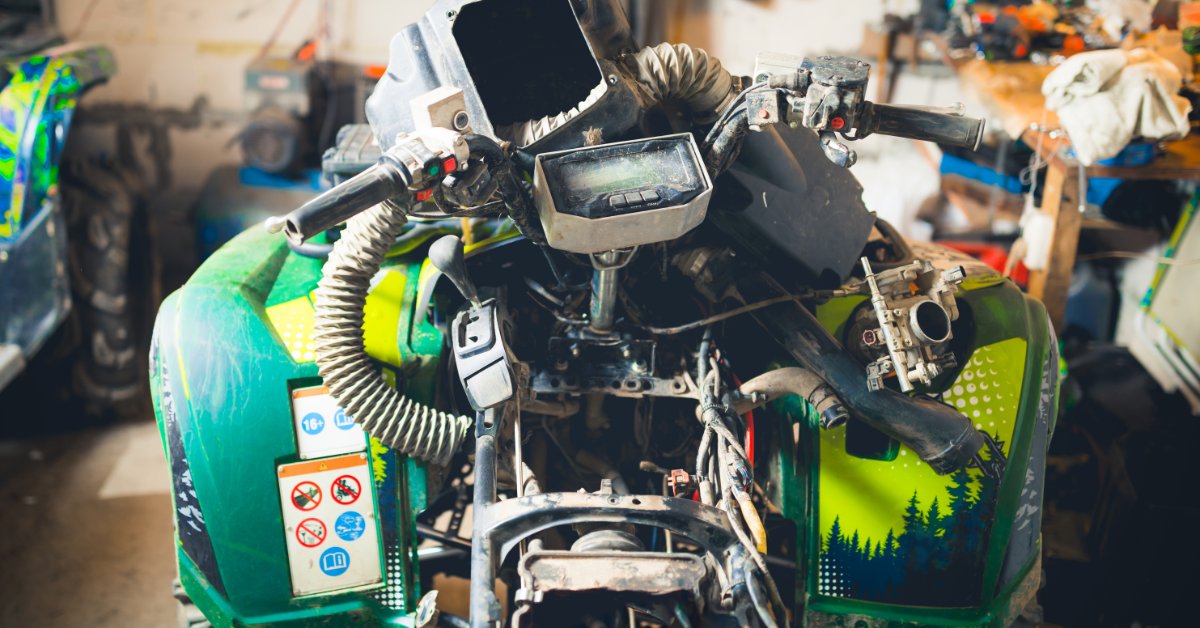


Water crossings pose a major challenge to ATV performance and engine reliability. When your vehicle stalls mid-stream during water crossings, spark plug failure is typically the primary cause. Understanding how water crossings affect your ATV's spark plugs is essential for preventing engine failure, reducing maintenance costs, and ensuring reliable performance in wet conditions.
Thermal Shock and Cracked Insulators
During normal operation, spark plug ceramic insulators function at temperatures exceeding 800 degrees Fahrenheit. When an ATV enters cold water at high operating temperatures, rapid cooling creates thermal shock conditions that can fracture the ceramic insulator. When the insulator cracks, the electrical current goes through the crack instead of the electrode gap. This causes the engine to misfire or stall.
Prevent Thermal Shock
To minimize thermal shock damage, avoid entering water at full throttle directly following high-speed operation. Allow the engine to reduce operating temperature before touching the water and keep moderate speeds during crossings. This gradual temperature transition reduces thermal stress on spark plugs and other critical engine components.
Water and Electrical Shorts

Water intrusion into the ignition system creates electrical conductivity paths that disrupt normal spark formation. When moisture penetrates spark plug boots, electrical current follows the path of least resistance through the water to the engine block, rather than jumping the designed electrode gap. This phenomenon causes immediate misfires and, in single-cylinder applications, complete engine failure.
Inspect and Protect Spark Plug Boots
The rubber boot assembly connecting the ignition coil to the spark plug serves as the primary moisture barrier. Age-related deterioration, including cracking and loosening, compromises this seal.
Regular inspection for physical damage and proper fit is essential. Applying dielectric grease within the boot assembly provides added moisture protection and enhances electrical conductivity.
Steam and Condensation
When cold water hits a hot engine, it turns into steam, which can reach areas of the engine that water alone cannot. As the steam cools and condenses, it accumulates around spark plug boots and ignition components, potentially causing short-circuits, just like direct water exposure would.
Manage Steam
Keeping the surface of your engine clean helps prevent moisture buildup and reduces steam. Accumulated debris and dried mud act as heat insulators and moisture traps. Properly functioning splash guards and inner fender assemblies direct water and steam away from critical ignition components. Regular cleaning and inspection of these protective elements contribute to efficient performance.
Water in the Combustion Chamber
Deep water crossings that result in engine stalling may signify water ingestion through exhaust or intake systems. This creates hydrostatic lock conditions that can cause catastrophic internal engine damage, including bent connecting rods. Even minor water ingestion cools spark plug electrodes and causes fouling, preventing restart capability.
Steps for Water Recovery
Following water ingestion, immediate restart attempts must be avoided. Remove the ATV from the water, extract the spark plugs, and rotate the engine to expel water from the cylinders. Thoroughly dry existing plugs or install replacement ATV spark plugs from emergency supplies to restore ignition capability.
Corrosion on Terminals
Prolonged exposure to moisture from water crossings accelerates corrosion formation on spark plug terminals and boot connectors. This oxidation increases electrical resistance throughout the ignition circuit, resulting in reduced spark energy, difficult starting, and decreased engine performance.
Post-Ride Maintenance
Each time you drive near water, inspect spark plug terminals and boot assemblies for moisture accumulation. Remove moisture using compressed air and remove corrosion deposits with the proper contact cleaners or wire brushes. Reapply dielectric grease to all terminal connections to prevent future oxidation and maintain reliable electrical contact.
Mud and Debris Build-Up
Water crossings typically involve exposure to mud and sediment that adheres to spark plug assemblies. Dried mud acts as thermal insulation, causing electrode overheating that can trigger pre-ignition or detonation. Additionally, debris accumulation complicates maintenance procedures and increases the risk of contamination entering the combustion chamber during service.
Clean After Muddy Rides
Thorough post-ride cleaning is essential following muddy conditions. Pressure washing combined with manual scrubbing removes accumulated debris from spark plug areas. Compressed air effectively clears sediment from plug recesses prior to removal, preventing contamination of internal engine components.
Ignition Coil Placement and Protection
The location of the ignition coil mount influences water exposure susceptibility. Low-mounted coils experience greater splash exposure, increasing short-circuit probability. Regularly inspecting coil assemblies and high-tension leads for physical damage, such as cracks or abrasions, helps prevent spark leakage in wet conditions.
Modifications for Deep Water Riding
For frequent deep-water operation, moving ignition coils to elevated positions, such as under-seat mounting, reduces water exposure. Protective wire looming and aftermarket waterproof plug caps provide enhanced sealing capabilities and improved moisture resistance.
Choose the Right Spark Plug

Spark plug electrode materials play a key role in moisture resistance and performance characteristics. Iridium and platinum electrode designs require lower firing voltages and show superior fouling resistance compared to conventional copper electrodes. Lower voltage requirements make it easier for sparks to form when there is slight moisture contamination.
Heat Range Tips
Maintain manufacturer-specified heat range recommendations for best performance. For extended operation in low-speed, wet conditions, consult technical specifications about heat range modifications. The wrong heat range can cause electrode fouling or pre-ignition damage.
Signs of Spark Plug Issues
Engine performance issues clearly indicate that the spark plugs have deteriorated due to water exposure. Symptoms include ignition misfires, difficult starting after washing, reduced fuel efficiency, and weaker acceleration. These conditions suggest potential water damage and require an immediate inspection of the ignition system.
Diagnose Spark Problems
To check your spark plug, you can do a spark test. This involves holding the plug's metal tip against the engine while it's turning over.
- A good spark: You should see a strong, blue-white spark jump across the gap.
- A bad spark: A weak, orange-colored spark can mean there's moisture or rust in the ignition system.
It's also important to check the gap on the spark plug. If the gap is too wide, it puts extra strain on the ignition system, especially in wet weather.
Protect Your Vehicle
When taking on water crossings, your ATV's spark plugs are put to the test. The rapid temperature changes can cause thermal shock, while moisture can lead to electrical shorts and corrosion.
By properly preparing your ATV before each ride and performing systematic maintenance afterward, you can reduce the risk of water-related damage. Combining preventative habits with high-performance ignition components, like E3's DiamondFIRE spark plugs, gives your engine the efficiency it needs. This preparation ensures you can cross water confidently, knowing your engine will perform reliably in any condition. Upgrade your spark plugs today!