

You upgrade your engine, add more power, and expect sharper response. Then something feels off—inconsistent acceleration or signs of overheating creep in. Those issues point straight to a mismatch between your setup and how your ignition components handle heat.
Dialing in heat range selection for modified engines fixes more than performance hiccups; it keeps your build running the way you intended. Once you understand how heat moves through your engine, you’ll stop guessing and start making decisions with purpose.
Why Heat Range Becomes Critical After Modifications
Stock engines run within predictable limits. Manufacturers design ignition components to match factory compression, fuel delivery, airflow, and timing. Once you modify any of those variables, you shift the entire thermal balance.
Higher compression raises combustion temperatures. Forced induction pushes more air and fuel into the chamber. Aggressive tuning advances timing and increases cylinder pressure. Each change adds heat, and your ignition setup needs to handle it without breaking down.
Ignoring this relationship leads to pre-ignition, fouling, or detonation. Matching heat range to your new setup keeps combustion controlled and consistent.
What Heat Range Controls

Heat range doesn’t refer to how hot a component burns. It describes how quickly heat transfers away from the firing tip into the cylinder head.
A hotter range holds more heat at the tip. A colder range pulls heat away faster. That distinction shapes how well your engine maintains clean combustion.
If the tip stays too cool, carbon builds up and causes fouling. If it runs too hot, it can ignite the air-fuel mixture before the spark event. Both outcomes hurt performance and risk engine damage.
Signs You’ve Chosen the Wrong Heat Range
You don’t need lab equipment to spot a mismatch. Your engine tells you what’s happening if you pay attention.
Look for these clear indicators:
- Persistent carbon buildup, misfires under load, uneven idle quality, and sluggish throttle response
- Overheating signs, pinging under acceleration, melted electrodes, and sudden power drops
- Difficulty starting, inconsistent fuel burn, excessive exhaust smoke, and reduced fuel efficiency
- Rapid wear, erratic ignition timing behavior, poor high-RPM stability, and increased engine noise
Each of these points signals a heat imbalance. Adjusting the heat range corrects the issue at its source.
Match Heat Range to Compression and Power Gains
As compression increases, combustion temperatures rise. Higher pressure creates more intense heat during ignition, which demands faster heat dissipation.
Modified engines with raised compression ratios require colder heat ranges. This change prevents the tip from holding excess heat and triggering early combustion events.
Lower compression setups, especially those tuned for cruising or efficiency, benefit from slightly hotter ranges. This approach maintains enough temperature at the tip to burn off deposits and keep firing surfaces clean.
Forced Induction Changes Everything
Turbocharged and supercharged engines introduce a new level of thermal stress. Compressed air increases oxygen density, which leads to more powerful combustion cycles.
With that added intensity, you need a colder heat range to handle the elevated temperatures. Without it, the firing tip becomes a hotspot that can ignite fuel prematurely.
You’ll notice improved consistency once you match your setup correctly. You’ll feel the boost build more predictably and a sharper throttle response. Additionally, the risk of detonation drops significantly.
Fuel Type and Tuning Play a Major Role
Fuel choice shapes combustion behavior just as much as mechanical upgrades. High-octane fuels resist detonation and burn differently than standard gasoline. Ethanol blends introduce cooler combustion characteristics but require more volume.
Aggressive tuning adds another layer. Advanced timing increases cylinder pressure and heat, which demands better thermal control.
In builds where ignition components must handle shifting fuel strategies and tuning maps, selecting the right spark plugs becomes a balancing act between heat retention, deposit control, durability, and ignition stability.
Read the Engine
Experienced builders read the engine’s condition and adjust accordingly. Pulling and inspecting firing tips gives you direct feedback. A light tan or gray color signals proper combustion. Black, sooty deposits indicate fouling and excess fuel or insufficient heat. White or blistered surfaces point to overheating and excessive temperatures.
Ignition Timing and Heat Range
Ignition timing directly influences combustion temperature and pressure. Advancing timing ignites the air-fuel mixture earlier, increasing cylinder pressure and raising heat levels.
When you push timing forward to gain performance, you increase the thermal load on your ignition components. This change often requires a colder heat range to prevent overheating at the firing tip.
How Incremental Adjustments Improve Results
You don’t jump several heat ranges at once. Precision matters, and small changes deliver the best results.
Start with a one-step adjustment based on your modifications. Test under real driving conditions, not just idle or short runs. Monitor performance, check for signs of imbalance, and refine as needed.
Each adjustment builds on the last. Eventually, you create a setup that matches your engine’s exact needs rather than relying on generalized recommendations.
Heat Range Selection for Modified Engines in Real-World Use

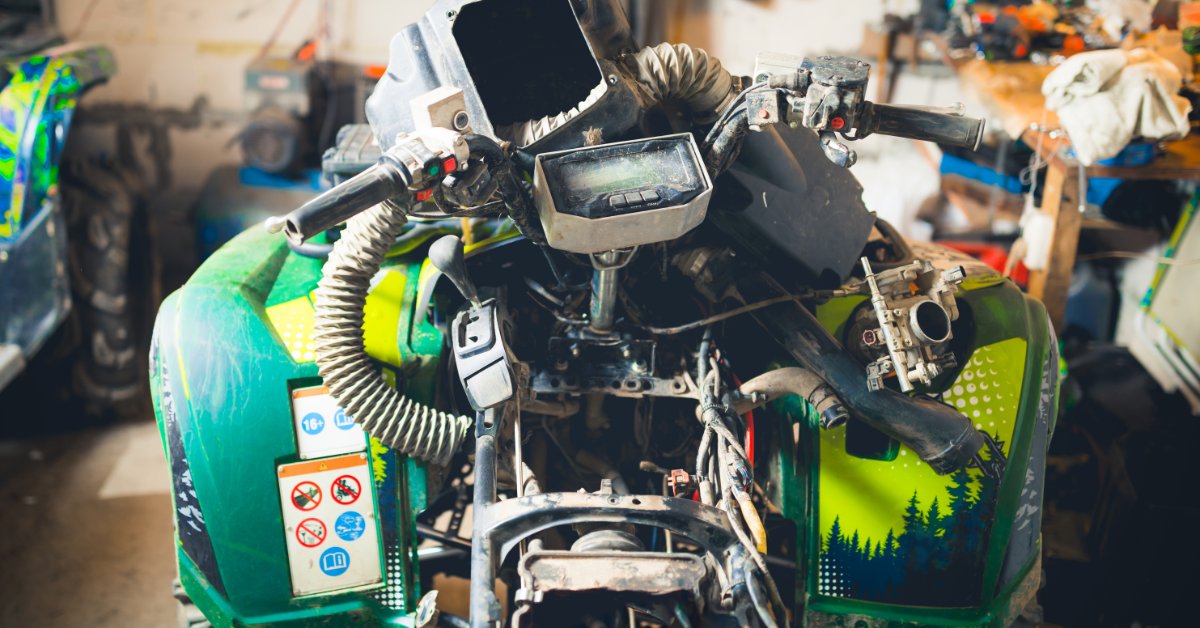
Daily drivers, race builds, and off-road machines all demand different approaches. A street-focused setup needs a balance between clean operation and durability. A track build prioritizes performance under sustained high load. Off-road vehicles require resilience across varying speeds and conditions.
When you apply heat range selection for modified engines in real-world scenarios, you start thinking beyond specs. You consider how the engine behaves during long drives, heavy acceleration, varying weather, and changing terrain.
That mindset separates a functional build from one that performs consistently every time you turn the key.
Common Mistakes That Undermine Heat Range Selection
- Relying on factory recommendations after major modifications ignores the changes in combustion dynamics
- Jumping multiple heat ranges at once removes the ability to track what improves performance
- Ignoring fuel quality variations introduces inconsistent combustion behavior
- Overlooking maintenance intervals allows buildup to skew how the engine responds
Each of these missteps adds noise to your tuning process. Staying methodical keeps your adjustments meaningful and your results predictable.
Secure Reliable Performance
Heat range selection for modified engines evolves with your build and how you use your vehicle. Staying engaged with those changes keeps performance sharp and dependable.
When you’re ready to refine your setup further, take a closer look at how E3 Spark Plugs approaches ignition design. Our focus on efficient combustion and consistent performance aligns with what modified engines demand. Check out our options and see how the right components can support your build from the inside out.